
IVF
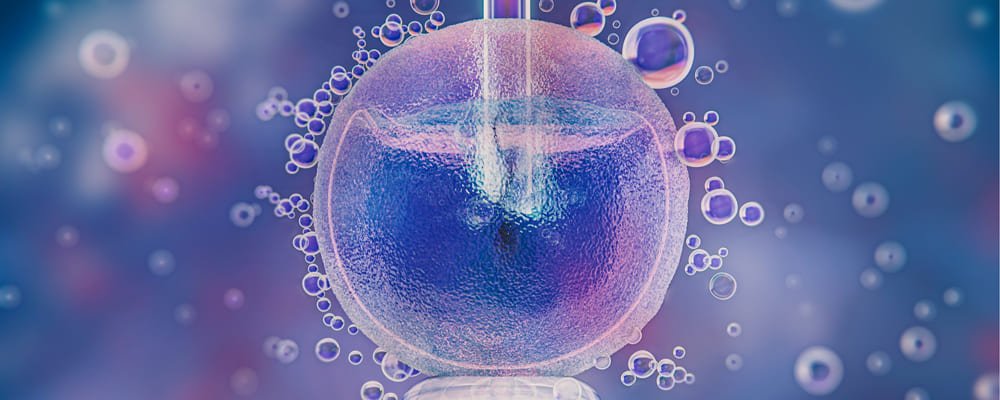
What is the In Vitro Fertilization?
IVF involves retrieving eggs, fertilizing them in a lab, and transferring embryos to the uterus. Chosen when simpler treatments fail, IVF allows control over timing, embryo selection, and uterine preparation. Many couples feel anxious at first, which is completely normal. We guide each step carefully to reduce stress.
Who is it Recommended For?
Indications of IVF: IVF can be considered in cases of tubal blockage, endometriosis, multiple failures of IUI, and diminished ovarian reserve. This treatment can also benefit couples facing unexplained infertility or women of advanced maternal age. Addition of donor eggs, donor sperms, and genetic factors can also be considered.
Each plan is individualized; no two treatments are the same.
How is the Procedure Done?
- Hormone injections to stimulate multiple eggs
- Ultrasound and blood monitoring
- Egg retrieval under mild anesthesia
- Fertilization in lab with partner or donor sperm
- Embryo culture and selection
- Embryo transfer into uterus
- Pregnancy test after two weeks
Benefits, Risks & Success Rate
Benefits
IVF will definitely come handy for those who have failed with other methods before. It provides control over timing, as well as allows picking the best embryo to implant. An additional plus lies in the possibility to freeze the embryos and use them when needed.
Risks
As a general rule, no complications arise from this procedure. Nonetheless, some females who opt for IVF tend to feel bloated and fatigued. It is possible that the ovaries become overly stimulated in very few cases, while there is a chance that a woman could conceive multiples as well.
Success Rate
There cannot be any specific success rate as all things depend upon the individual case itself. Age, quality of eggs, and overall health of the individual may impact the results of fertility treatments. Therefore, the procedure becomes unique for each person. People may get pregnant quickly; however, sometimes two or three tries might be required to conceive.