
Fertility After 30-35
Understanding Fertility Changes with Age
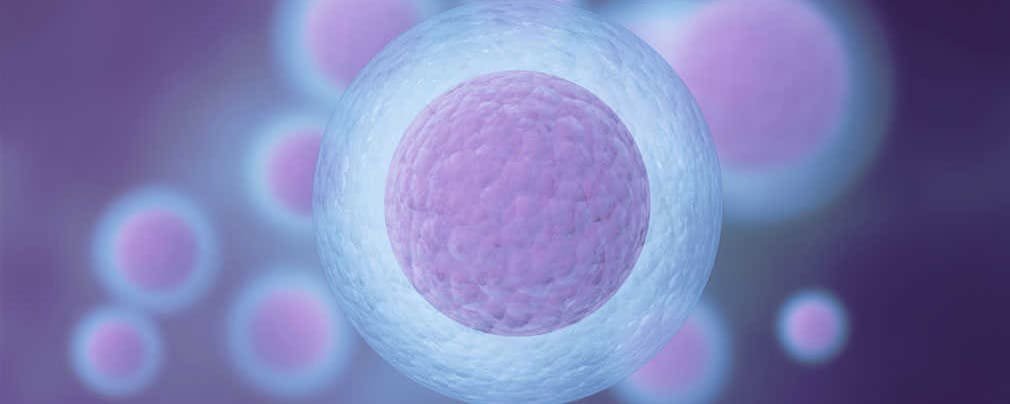
Many women start thinking seriously about pregnancy after their 30s. Fertility naturally changes with age, and while conception is still possible, certain biological factors can make it more challenging. Women are born with a finite number of eggs, and both the quantity and quality of these eggs gradually decline over time. By the early 30s, fertility remains relatively high, but after 35, the decline becomes more noticeable. This does not mean pregnancy is impossible, but it does require awareness, planning, and sometimes medical guidance to maximize the chances of conception.
Reproductive Health Beyond Age
Aside from eggs, overall reproductive health can influence fertility. Hormonal changes, lifestyle factors, and underlying medical conditions like endometriosis or polycystic ovary syndrome (PCOS) may also impact the ability to conceive. Male fertility, while generally less affected by age, can decline subtly over time due to lower sperm motility or morphology. For couples trying after 30–35, understanding these factors is crucial to making informed choices about timing and treatment.
Risks and Natural Considerations
Many women over 30 conceive naturally, but it's important to recognize that the risk of miscarriage increases slightly with age. Chromosomal abnormalities in eggs become more common as women age, which can lead to early pregnancy loss. Regular health checkups, maintaining a healthy weight, avoiding smoking and alcohol, and managing stress are practical steps to support fertility. Tracking menstrual cycles and ovulation can also provide helpful insights into timing conception efforts effectively.
When to Seek Medical Help
When conception does not happen within a reasonable timeframe, it may be wise to seek medical advice. For women under 35, trying for a year without success is generally considered the benchmark for evaluation. For women over 35, six months is often enough to begin investigations. Fertility assessments usually include hormonal testing, ovulation monitoring, imaging of the reproductive organs, and partner semen analysis. Identifying potential challenges early can save valuable time and increase the success rates of treatment.
Treatment Options for Age-Related Fertility Challenges
Treatment options for women over 30-35 vary based on individual circumstances. For many, simple interventions such as timed intercourse, ovulation induction, or lifestyle adjustments may be sufficient. In cases where fertility is reduced due to age or other factors, assisted reproductive technologies such as intrauterine insemination (IUI) or in vitro fertilization (IVF) can significantly improve chances of conception. IVF is particularly effective for women with diminished ovarian reserve or age-related egg quality decline, and techniques like preimplantation genetic testing (PGT) can help select the healthiest embryos.
Emotional Impact of Age-Related Fertility Challenges
Age-related fertility challenges can also affect emotional well-being. Couples may experience stress, anxiety, or disappointment when conception takes longer than expected. Open communication with a partner, seeking support from fertility counselors, and joining peer support groups can help manage these emotions. Understanding that fertility declines gradually and that many women successfully conceive in their late 30s or even early 40s can provide reassurance and reduce undue pressure.
Supporting Fertility Through Lifestyle Choices
Lifestyle adjustments remain a cornerstone of fertility optimization after 30. Maintaining a balanced diet rich in vegetables, fruits, whole grains, and healthy fats can support hormonal balance. Regular exercise, stress management practices like meditation or yoga, and adequate sleep contribute to overall reproductive health. Avoiding smoking, excessive alcohol, and recreational drugs is essential, as these factors can negatively impact both egg and sperm quality. While lifestyle alone may not overcome all age-related fertility challenges, it can enhance overall reproductive potential and improve outcomes of medical interventions.
Planning and Partner Support
For couples planning pregnancy later in life, early consultation with a fertility specialist is highly beneficial. A fertility expert can help assess ovarian reserve, suggest appropriate timing strategies, and discuss treatment options tailored to age-related needs. With careful planning, medical guidance, and supportive lifestyle practices, many women over 30–35 achieve healthy pregnancies and give birth to healthy babies. Age is a factor, but it does not close the door on parenthood — it simply emphasizes the value of informed decision-making and proactive care.