
Endometriosis
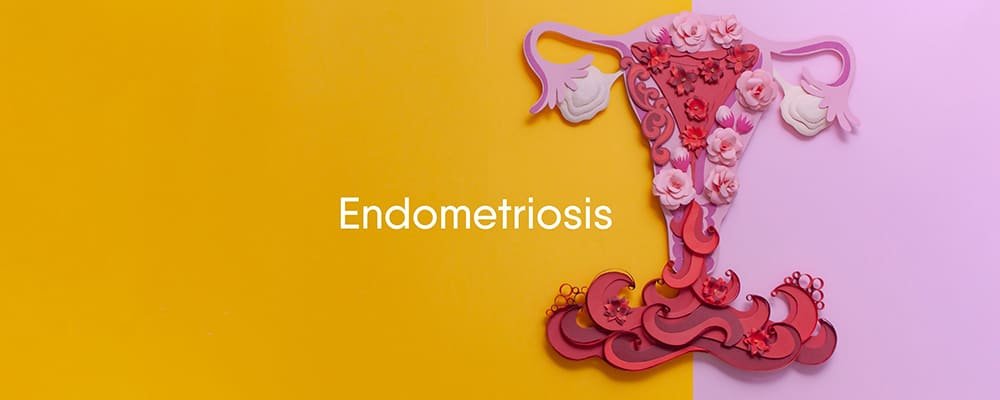
What is Endometriosis?
Tissue similar to the inside of your uterus is growing outside of it, around your ovaries, fallopian tubes, and pelvic wall. This is called endometriosis. It is constantly changing depending on where you are in your cycle. It can thicken and break down instead of being shed. This creates pain and scars because of the blood. It creates scars everywhere. Think of it: difficulty conceiving, lousy PMS, or painful sex. It is not just having lousy periods. It has been having lousy periods for a very long time. Laparoscopy is usually needed to diagnose it. What kind of help? That depends on each person. It may be medication, hormones, surgery, or even conceiving.
Symptoms of Endometriosis
However, not all women feel the effects of endometriosis in the same way. Some women may feel only mild or obvious symptoms. There are women who have expressed complaints of severe pain during their periods in the abdominal regions of their bodies.These women claim they have discomfort both before and during their periods. It is important to note that this discomfort is experienced before and during the menstrual cycle.
Women have complained of pain, yet they are not yet in their menstrual cycle. Women have complained of finding it hard to carry on with their daily activities because of this pain. Pain associated with intimacy is another condition experienced by women, particularly due to tissue development in obscure places under the uterus. There could be spotting between two consecutive periods, which could be heavier than normal. Women could also experience problems in conceiving.
Causes of Endometriosis
- Menstruation that goes backward: Instead of exiting the body as in a period, this blood flows backward through the fallopian tubes and into the pelvis. Endo develops from these migrating cells sticking to the organs in the body. Endo affects many people, although not everyone.
- Problems with the immune system: Your immune system should get rid of endometrial cells that are in the wrong place. But in endo, it either misses them or lets them grow. This problem causes tissue to grow where it shouldn't, which causes pain and inflammation.
- Genes: Your risk goes up a lot if your mom or sister has endo. Some genes may make some people more likely to get it. You might not get it, but having a family history definitely increases your chances.
- Change in Cells: In some cases, the cells that line your pelvic area may change to resemble endometrial tissue. This may be triggered by hormones or your immune system. It is like your body's cells get mixed up and start acting like those that line your uterus when they are outside of it.
Stages of Endometriosis
Stage 1
The patches will be small in size and won't leave any scars. There won't be any pain at all, or you could experience some cramping. The word "minimal" and "safe" do not go together. Even early-onset endometriosis can interfere with conception.
You will not even know for sure if you have it just by how you feel. To get the whole picture, you will need to have an imaging procedure or a laparoscope.
Stage 2
They get more aggressive with Stage 2 Implants. Your menstrual cramps will be more severe. It may also be more difficult to conceive a baby. Well, it's early days, yes it is. Well, it's early days, yes it is. Well, it's early days, yes it is. Well, it's early days, yes it is.
Stage 3
Deep implants, adhesions, maybe ovarian cysts too. Organs stick together, that hurts, a lot. Fertility is affected even more. Need meds and surgery to help relieve pain and preserve options for the future, but it's doable, just gotta be proactive about it.
Stage 4
Heavy-duty endo: large cysts, ugly scars, and organs that are not in their proper place. Pain is always present, and it makes you tired. It may take some extra assistance to get pregnant since fertility specialists and surgeons will work together. Too hard? Yes. Not possible? No way. Having a plan that you follow will help you immensely. You're not alone.
Treatment Options
Pain Management: For general pain, your doc may give you some anti-inflammatories. These won't help with the endo growths, but they may help with period cramps and pelvic pain so you can, you know, get through the day.
Hormonal Therapy: Endo grows due to estrogen; therefore, hormonal medication such as birth control pills, progesterone, and other medication can help slow down the growth of endometriosis. On the basis of the signs, cycle, and target, your doctor will be able to tell you what will be most effective for you.
Laparoscopic Surgery: This minimally invasive surgery allows your doc to find and carefully remove endo lesions and adhesions. Women usually leave the hospital with less pain—and, in some cases, the ability to conceive naturally.
Lifestyle & Supportive Care
It's not just the medication and the treatment, you know? Your daily living habits can actually help in the way that your body behaves. Home cooked food, fresh vegetables, fruits, grains and other food stuffs that you can find in your kitchen can actually be easier on the body. There are so many testimonies from women who say that they experience fewer flare-ups when they don't eat baked goods, for instance and other processed foods and drinks with sugar in them.
Exercise is another aspect. It does not have to be extreme. A morning walk, stretching, yoga and dancing at home may be good for the body and may keep it flexible. It may improve circulation of blood in the pelvic area. The trick here is to be moderate and not overdo it.
The source of the pain could be a worry. The mind and the body benefit from the attempt to think of ways to relax and rest. Ways to do so include talking to a trusted friend, going out and praying, listening to music and resting without the use of gadgets. Sleeping at the same time every day will make the functioning of the hormones better. Seeing the doctor often may be necessary because the situation can change.
FAQs
It disappear after the Menopause.
No, she cannot, but many women who have endo are able to get pregnant naturally.
No, Not all the times.
Yes, endometriosis may sometimes come back after treatment.
You should go to the doctor if you are experiencing a lot of pain during your period and more.