
Patient Resources
IVF Myths vs Facts
Evidence-based clarity on common IVF misconceptions — from age and pain to success rates and safety.
Myth 01
IVF always leads to multiple pregnancies.
Fact
Modern IVF often focuses on transferring one carefully selected embryo at a time, which reduces the chance of twins or triplets. Multiple pregnancy risk is managed through careful embryo selection and monitoring.
Myth 02
Only older women need IVF.
Fact
IVF is used across a range of ages. Tubal issues, unexplained infertility, endometriosis or male-factor infertility may also lead to IVF. Age influences success, but it is not the only factor.
Myth 03
IVF guarantees a baby.
Fact
IVF can improve the chance of conception, but it is not a guarantee. Outcomes depend on age, egg quality, sperm health, uterine receptivity and other clinical factors. More than one cycle may be needed.
Myth 04
IVF is painful and invasive.
Fact
Most IVF steps are carefully managed. Egg retrieval is done under sedation, and embryo transfer is usually quick and well tolerated. Medications may cause mild, temporary discomfort.
Myth 05
IVF babies have more birth defects.
Fact
Overall, IVF babies have a similar risk profile to naturally conceived babies when care follows established clinical protocols and appropriate screening.
Myth 06
IVF is only for women.
Fact
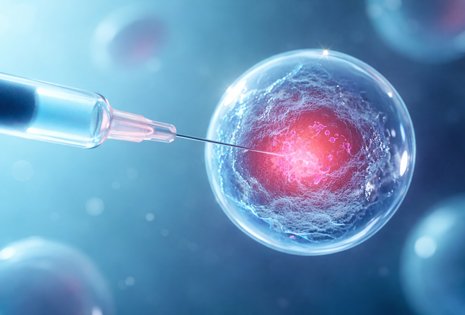
IVF also addresses male infertility. Techniques such as ICSI (injecting a sperm into an egg) or donor sperm, when required, can help overcome significant sperm-related challenges.
Myth 07
IVF is unnatural and unethical.
Fact
IVF supports fertilisation outside the body and embryo transfer into the uterus for couples who cannot conceive easily on their own. When practised responsibly, it is an accepted medical option for building a family.
Myth 08
Lifestyle doesn't affect IVF success.
Fact
Healthy diet, regular activity, avoiding smoking and excess alcohol, and stress support can positively influence IVF readiness and outcomes. Lifestyle is one part of a complete care plan.