
Treatments
IVF vs IUI: Understanding the Difference
A plain-language comparison of intrauterine insemination and in vitro fertilisation to help patients ask better questions.
- Written by:
- Dr. P. Grishma Krishna Reddy
- Medically reviewed by:
- Dr. P. Grishma Krishna Reddy
- Published:
- Updated:
- · 9 min read
Key takeaways
- IUI places prepared sperm into the uterus; fertilisation still happens inside the body.
- IVF retrieves eggs, fertilises them in the laboratory and transfers an embryo.
- Neither is universally better — the right choice depends on diagnosis, age and prior response.
What IUI involves
Intrauterine insemination (IUI) places prepared sperm into the uterus around ovulation. Fertilisation still happens inside the body. It is often considered for unexplained infertility, mild male factor or carefully selected ovulatory disorders when the fallopian tubes are open.
IUI is usually less invasive than IVF and may be timed with natural ovulation or mild stimulation. Success depends on age, semen quality, tube status and the underlying diagnosis.
What IVF involves
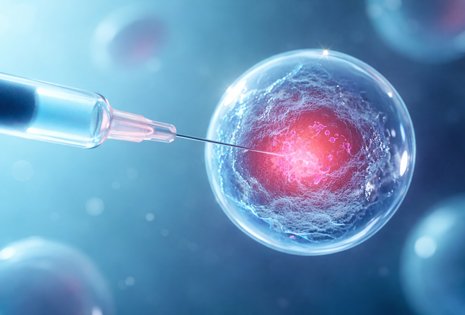
In vitro fertilisation (IVF) retrieves eggs, fertilises them in the laboratory and transfers an embryo into the uterus. It is commonly used for tubal blockage, significant endometriosis, repeated IUI failure, diminished ovarian reserve in selected cases, or other indications after counselling.
IVF also allows laboratory assessment of fertilisation and embryo development, which can provide useful diagnostic information when prior cycles have been unexplained.
How clinicians choose between them
Neither treatment is universally “better.” A responsible plan starts with evaluation, not with assuming IVF is required. Age, duration of infertility, semen parameters, tubal status, ovarian reserve and previous treatment response all shape the recommendation.
- Open tubes, milder factors and younger age may support a trial of IUI
- Blocked tubes, severe male factor or repeated IUI failure often point toward IVF
- Time-sensitive situations may favour moving to IVF sooner after counselling
Questions worth asking in consultation
Ask why a particular pathway is being recommended for you, what success ranges are realistic for your age and diagnosis, how many cycles may be considered, and what monitoring or medicines are involved. Clear counselling should leave room for your values — not only clinic protocols.